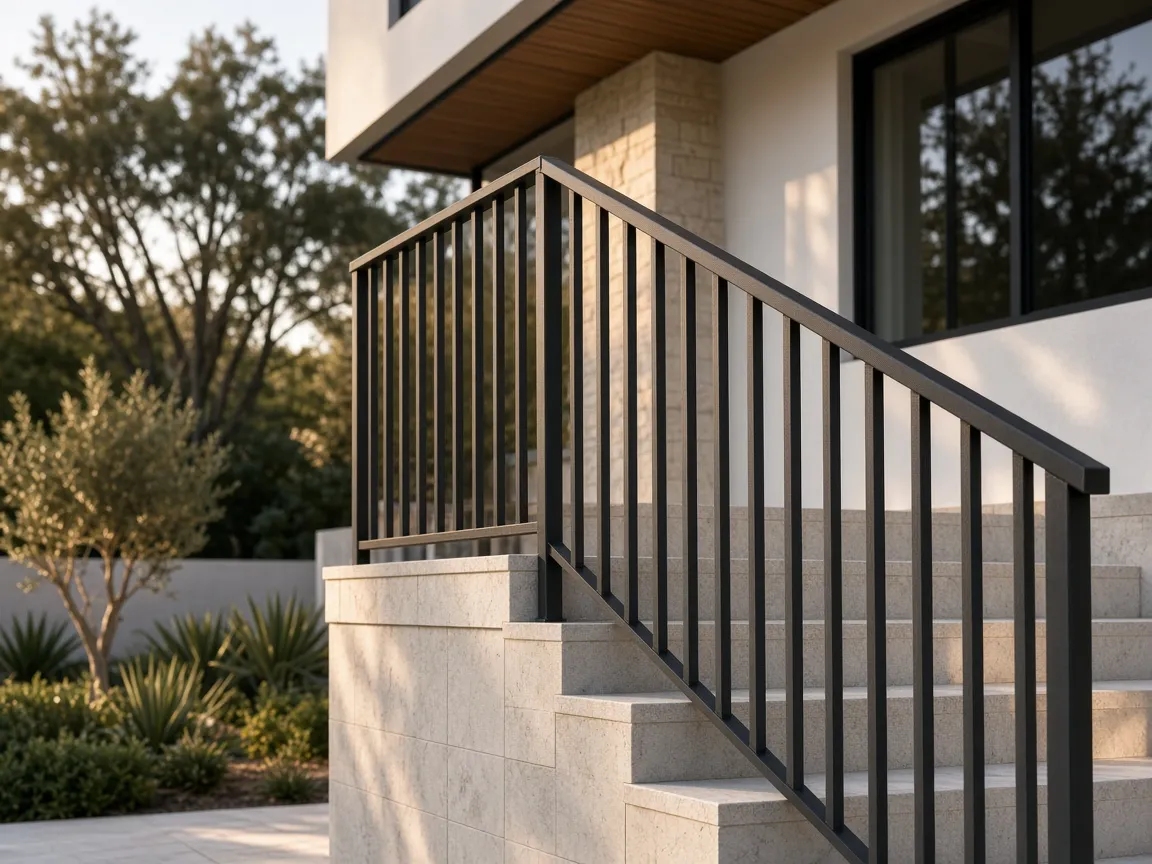
Railing & handrail restoration
Architectural lines that have to live outdoors.
Exterior railings, handrails, and balcony metalwork take weather at the edge of a house. Restoration here is about corrosion, worn finishes, and surface protection — not a structural redesign.
What this service addresses
Rails are both architecture and weather equipment.
A handrail is touched every day. A balcony rail is photographed with the house. Both sit in sun, rain, and temperature swings that exterior walls often do not. When the finish breaks, the metal becomes the part of the elevation that looks unfinished.
This service focuses on corrosion, worn finishes, exposed metal, weathering, appearance, and surface protection for exterior railings, handrails, balcony metalwork, and similar architectural features. It does not include structural calculations, code opinions, or claims that a restored rail meets guardrail requirements.
Common signs
What people notice first
-
Wear at the grip
Handrails lose coating where they are used. Bare metal and staining along the top rail are ordinary outdoor wear, not a small cosmetic nick.
-
Rust at posts and base plates
Water collects where verticals meet decks, concrete, or masonry. That junction is a frequent starting point for corrosion.
-
Inconsistent color
One elevation refinished years ago, another left original, and a third peeling: the house no longer has a single metal language.
-
Rough texture on balusters
Failed film on slender members is hard to ignore in raking light. Preparation quality matters more here than on a large fence panel.
Typical objects and approach
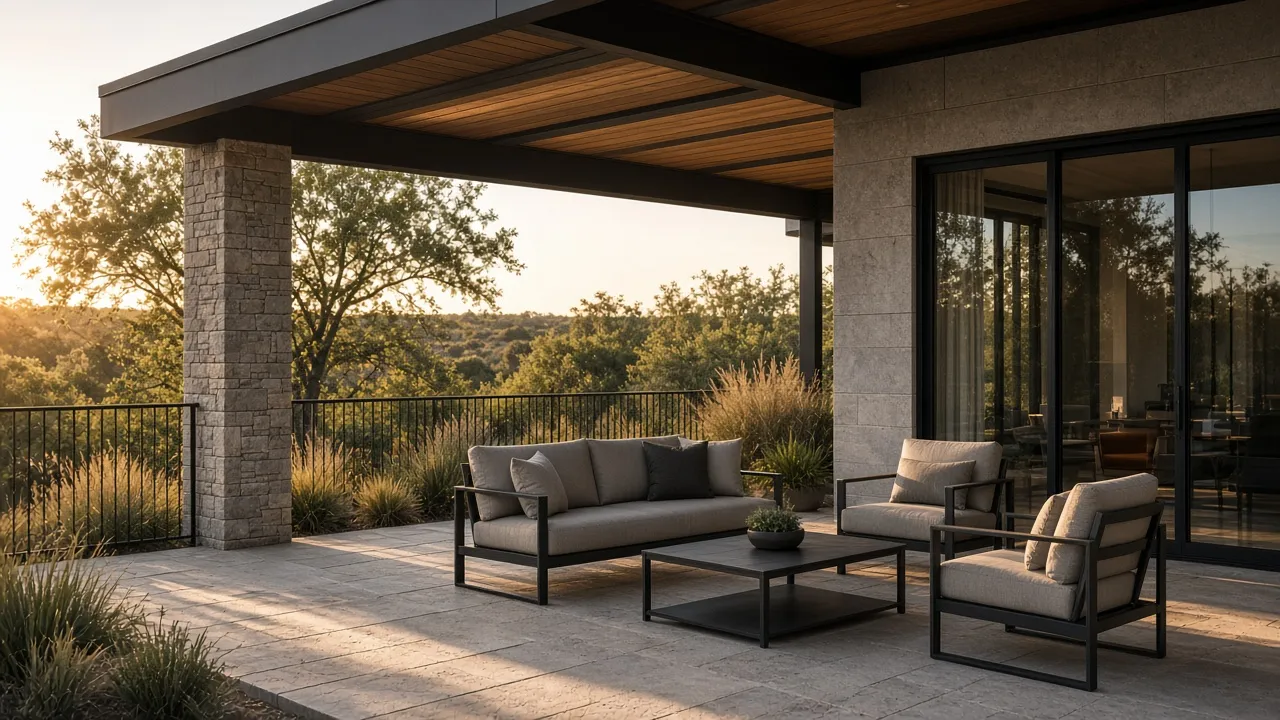
Stair rails at entries, balcony and terrace metal, porch handrails, and short architectural rails along walkways are the usual projects. Decorative infill that is part of a rail system is included when it is the same metalwork.
The general approach is the same four-step sequence used on restoration projects: understand the piece, review condition and access, address corrosion and failed surface material as appropriate, then refinish for appearance and protection. Methods vary. A slender balcony rail is not prepared the same way as a heavy driveway gate.
Surface preparation on railings is exacting because the eye reads every baluster. Skipping it shows immediately. So does coating over rust at a base plate.
When RustDesk Metal would not treat a railing as restorable
Keeping an original rail can preserve the architecture of a stair or balcony. That is worthwhile when the metal is sound. It is not a substitute for replacing a rail that has lost integrity. RustDesk Metal does not offer engineering sign-off and will not treat surface restoration as proof of structural performance.
Texas outdoor living
Terraces, raised porches, and outdoor rooms are common on contemporary Texas houses. Those edges are metal more often than not. UV, heat, and blown rain wear finishes on exposed rails faster than on sheltered walls. Restoration is one way to keep those lines looking like they belong to the house — when the metal can still carry the job.
How work proceeds
Restoration process
A straightforward sequence used across restoration work. Specific methods depend on the metal, condition, and setting of each project.
- 01
Tell Us About the Project
Describe the metalwork, where it is located, its current condition, and the result you hope to achieve.
- 02
Condition Review
The project is evaluated based on material, corrosion, existing finish, accessibility, and overall scope.
- 03
Surface Preparation & Restoration
Failed surface material and corrosion are addressed as appropriate for the project, and the metal is prepared for refinishing.
- 04
Refinishing & Protection
The prepared metal receives an appropriate finishing approach based on the project requirements.
FAQ
Common questions
Does restoration make a railing code-compliant?
No. This service addresses corrosion, worn finishes, appearance, and surface protection. It is not a structural engineering review and does not claim code compliance, load ratings, or guardrail certification.
Can a railing be restored without replacing it?
That depends on the railing’s construction, remaining sound metal, existing finish, accessibility, and overall project scope. Those details belong in the project review.
What if part of the railing is rusted through?
Loss of section is a different problem from failed paint. If metal is no longer sound, refinishing will not restore its integrity. In that case, replacement of the affected work may be the appropriate discussion — and that is outside a purely cosmetic restoration.
Do you restore interior stair rails?
The focus of this page is exterior railings, handrails, balcony metalwork, and similar architectural metal exposed to weather. Interior work may be discussed if it is related metal restoration, but outdoor exposure is the typical setting.
Related services
Other restoration work
-
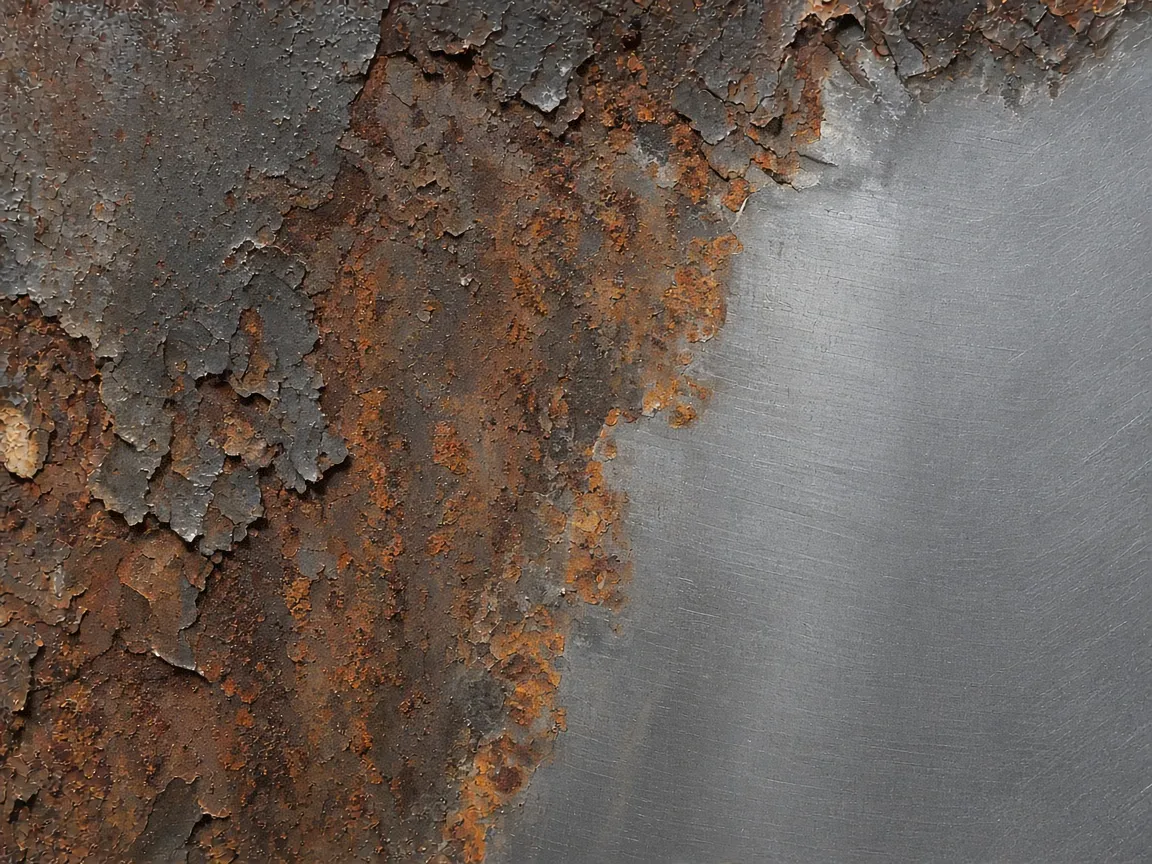
Rust Removal & Corrosion Treatment
Address weathering, visible corrosion, and failed finishes before refinishing.
-
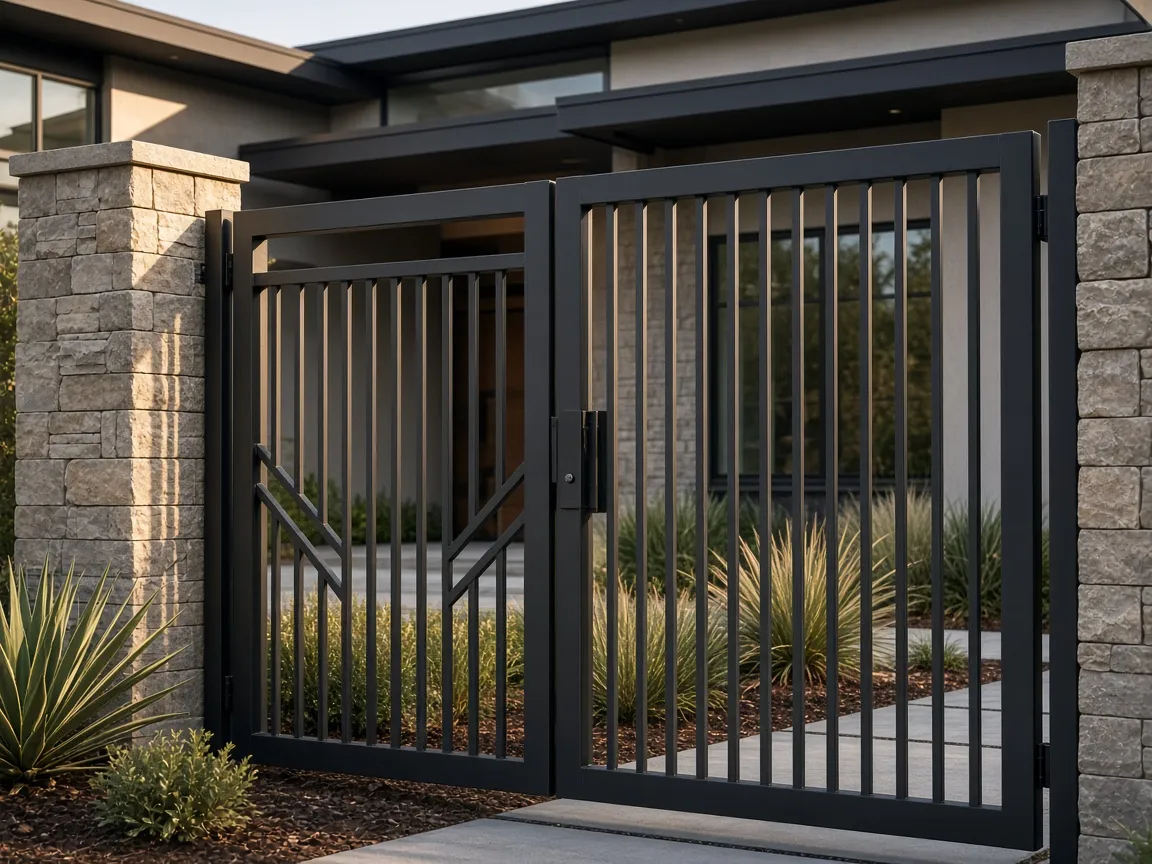
Fence & Gate Restoration
Restore existing metal fences, pedestrian gates, driveway gates, and decorative exterior metalwork.
-
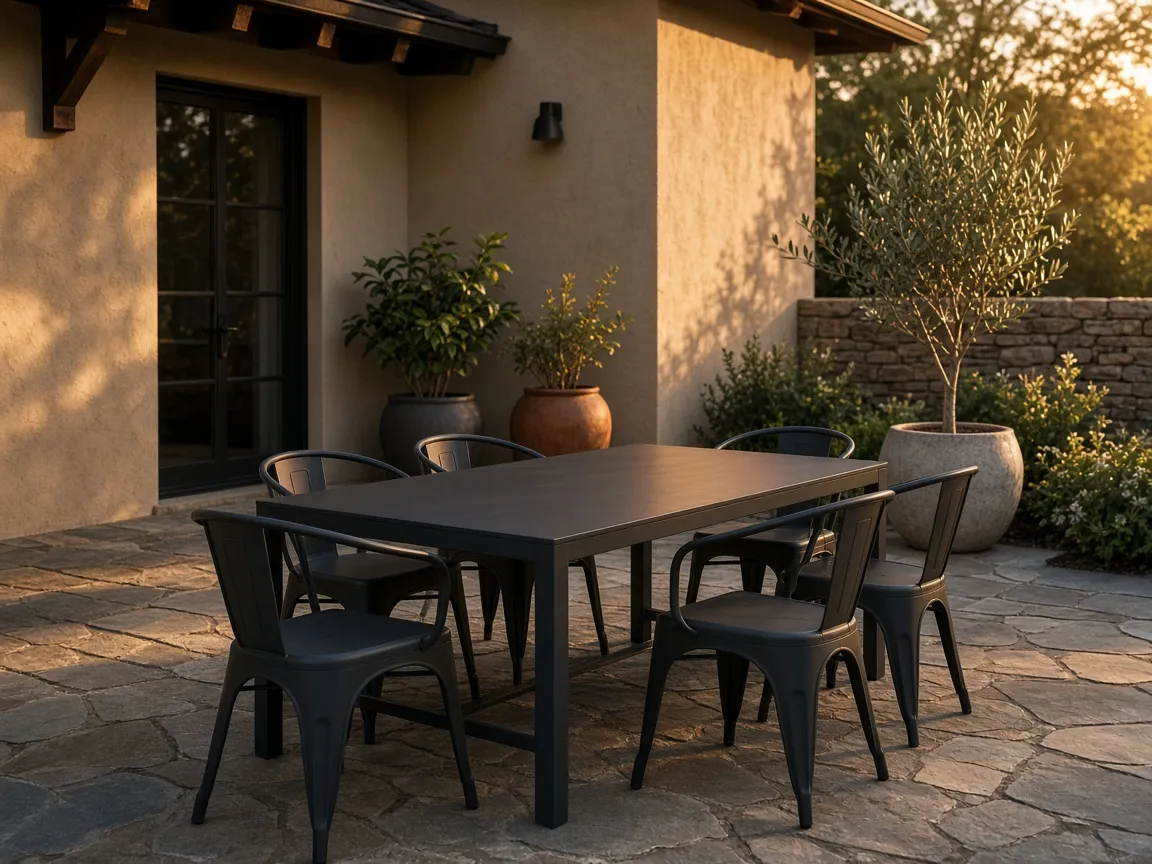
Outdoor Furniture Restoration
Refresh metal patio chairs, tables, benches, and other suitable outdoor pieces.
-
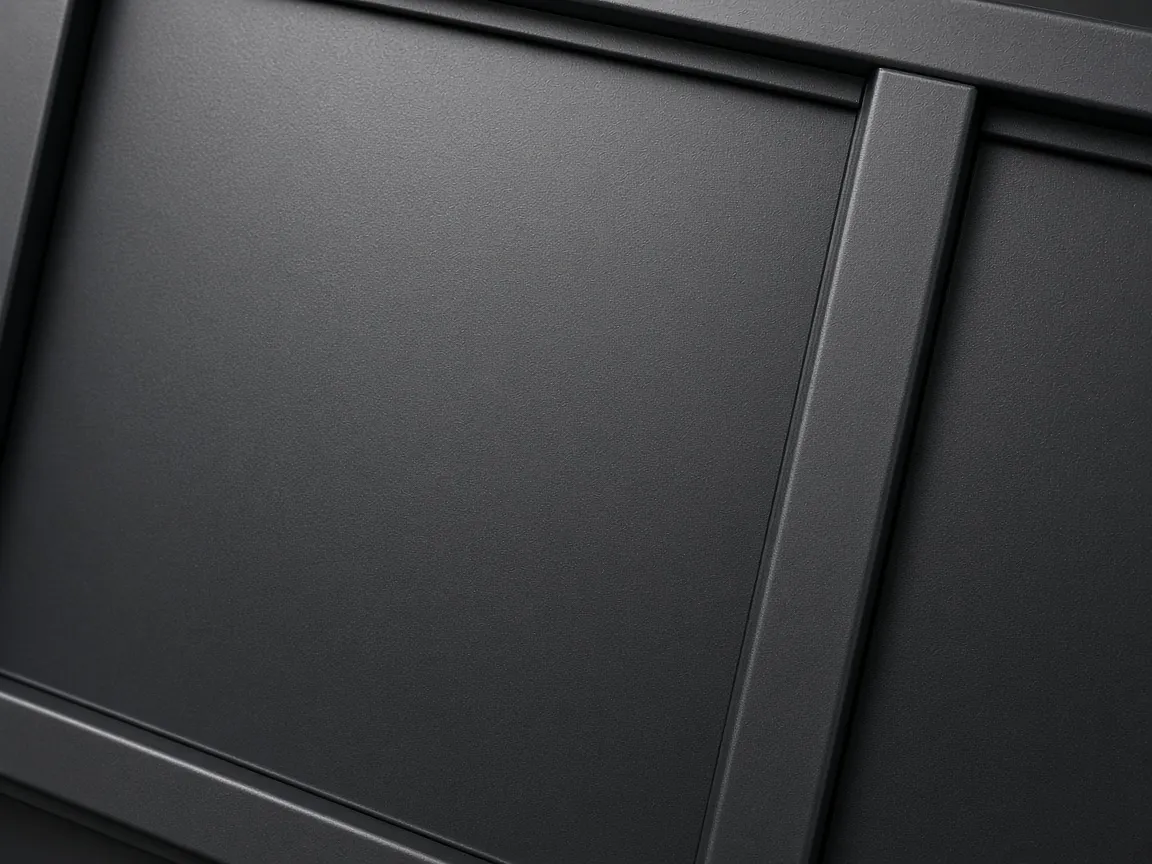
Metal Refinishing & Protective Coatings
Restore a consistent finish and help protect prepared metal from further outdoor exposure.
Project enquiry
Tell us about the railing.
Describe the piece, where it sits, and what you are seeing. We will review whether restoration is a reasonable path before anyone commits to replacement.