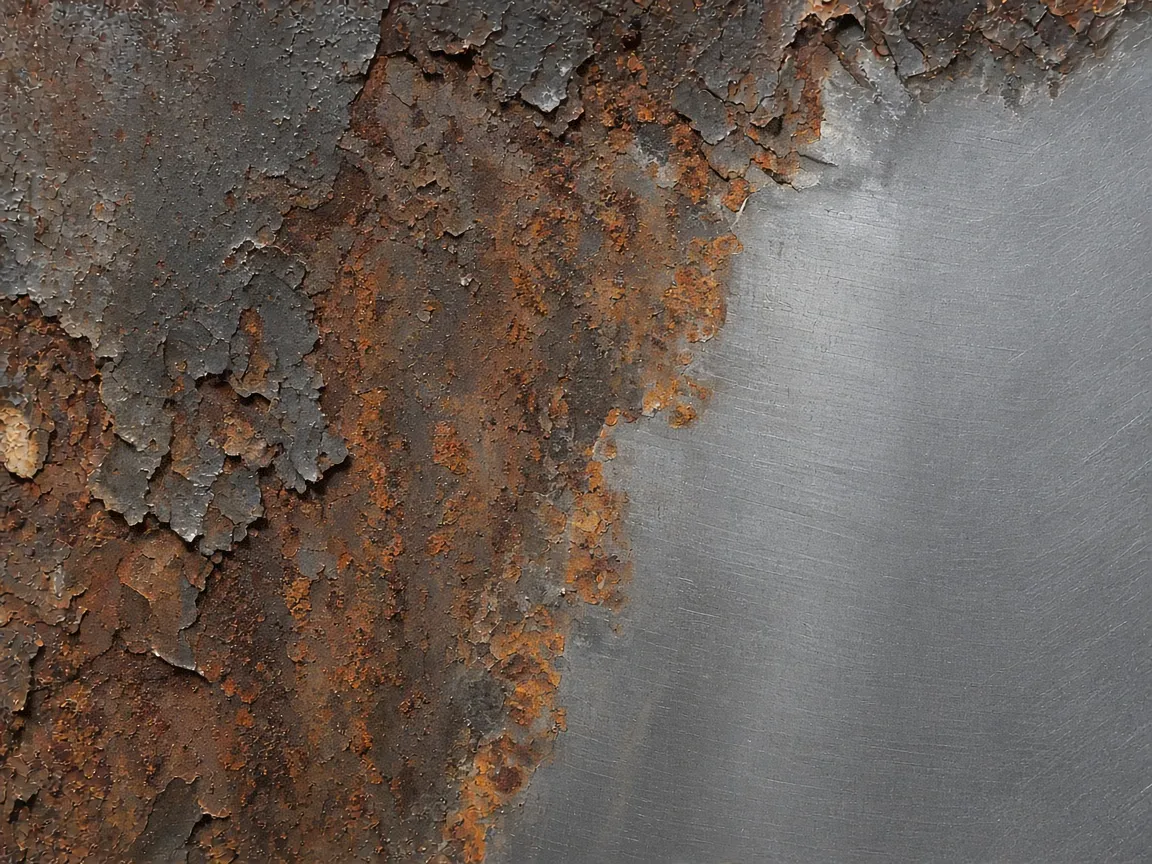
Rust removal & corrosion treatment
Start with the rust, not the cover-up.
Weathered metal, visible corrosion, and deteriorating finishes are where many restoration projects actually begin. The first question is whether remaining metal is sound enough to restore.
What this service addresses
Corrosion is a condition, not a color to hide.
Exterior metal in Texas oxidizes. Coatings chalk, peel, and lose adhesion. Moisture sits in joints, along bottoms of fence panels, and in the details of gates and furniture. Once corrosion is active, a new coat of paint on top of it does not reset the surface.
Rust removal and corrosion treatment focuses on weathered metal, visible rust, and failed finishes so the piece can be evaluated and, where appropriate, prepared for restoration. It is the beginning of the work, not a cosmetic shortcut.
Not every corroded item can be restored. Condition and remaining sound metal must be reviewed first. If the metal is too thin, too pitted, or too incomplete, refinishing will not create a durable result.
Common signs
When corrosion is asking for attention
-
Flaking or bubbling finish
Coatings that lift, blister, or shed in sheets usually mean the bond to the metal has already failed.
-
Orange or brown staining
Visible rust on edges, welds, fasteners, and horizontal surfaces is a typical outdoor pattern — especially after rain and irrigation overspray.
-
Rough, pitted, or thinning metal
Surface roughness can be treatable. Deep pitting or loss of section is a different problem and may mean restoration is not appropriate.
-
Staining on adjacent masonry or paving
Runoff from corroding metal often marks stone, stucco, or concrete nearby. The metal still has to be assessed on its own terms.
Typical objects
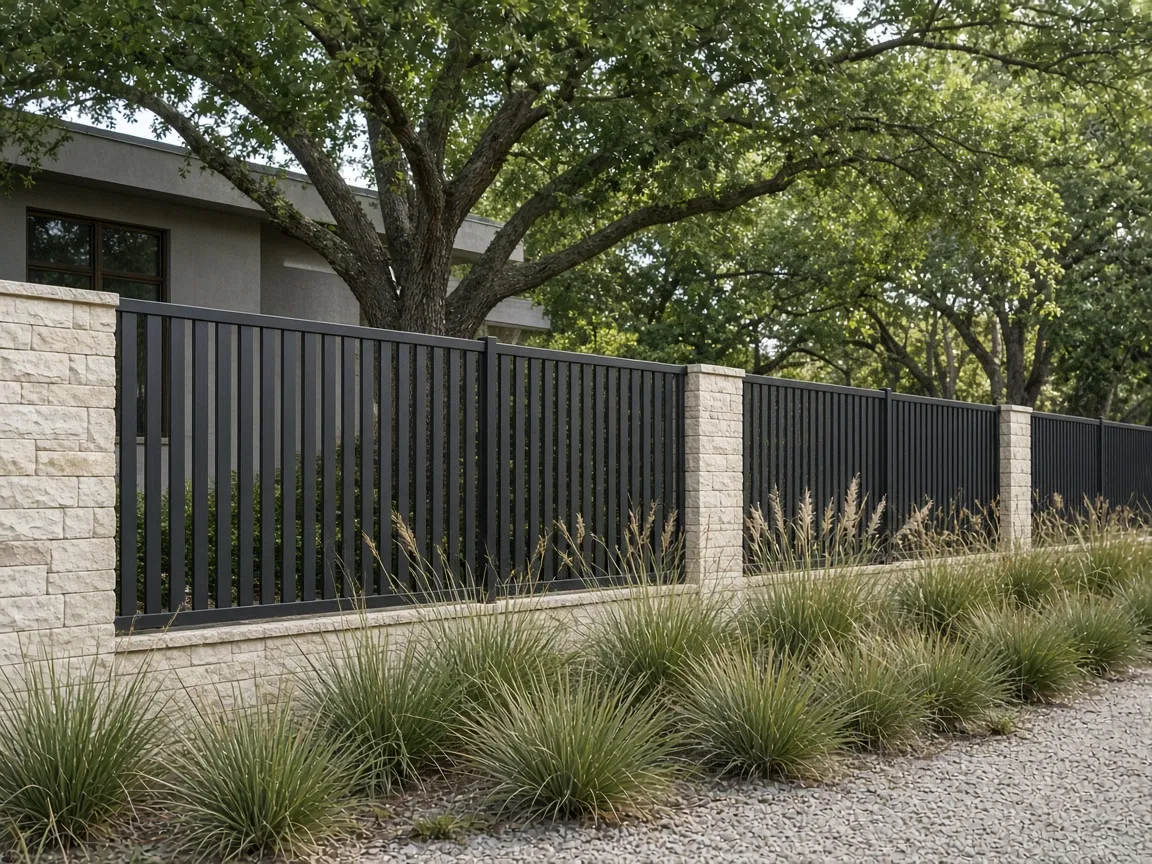
Corrosion treatment is most often requested on fences, gates, railings, patio furniture, benches, decorative ironwork, and exterior metal fixtures that have lived outdoors for years. The same principles apply: look at the metal, not only the color of the rust.
Localized deterioration — one gate leaf, the bottom of a fence run, the arms of a chair set — is common. A full property-wide refinishing program is a different scope and is discussed as such.
General approach
Work begins with a description of the piece and a condition review: material, corrosion pattern, existing finish, access, and overall scope. Failed surface material and rust are then addressed as appropriate for that project. The remaining metal is prepared so refinishing has a coherent surface to work with.
Specific chemical or mechanical methods are chosen for the piece at hand. This page does not prescribe a single process for every metal, coating, or setting.
Why RustDesk Metal prepares the surface first
A finish is only as reliable as the surface beneath it. Loose scale, powdery rust, and peeling coating prevent adhesion. Moisture trapped under a new film continues the same failure from the inside. Preparation is the unglamorous part of restoration, and it is the part that decides whether refinishing is worth doing.
After preparation, most projects move into metal refinishing and protective coatings so appearance and outdoor protection can be restored together.
A practical decision
Restoration versus replacement
If the metal still has integrity, treating corrosion and refinishing can extend useful life and keep existing architectural work in place. If the metal is compromised, replacement of that item — or of the worst sections — may be the clearer path.
RustDesk Metal will not describe a piece as restorable simply because rust is present. The honest first step is evaluation.
Texas exposure
Heat, humidity, sudden storms, and landscape irrigation all accelerate coating failure on outdoor metal. Coastal moisture in parts of the state and mineral-heavy water in others show up as staining and under-film corrosion. The climate is a reason to take surface care seriously; it is not a reason to claim that every piece can be saved.
How work proceeds
Restoration process
A straightforward sequence used across restoration work. Specific methods depend on the metal, condition, and setting of each project.
- 01
Tell Us About the Project
Describe the metalwork, where it is located, its current condition, and the result you hope to achieve.
- 02
Condition Review
The project is evaluated based on material, corrosion, existing finish, accessibility, and overall scope.
- 03
Surface Preparation & Restoration
Failed surface material and corrosion are addressed as appropriate for the project, and the metal is prepared for refinishing.
- 04
Refinishing & Protection
The prepared metal receives an appropriate finishing approach based on the project requirements.
FAQ
Common questions
Can every rusted piece be restored?
No. Restoration depends on remaining sound metal, the extent of corrosion, access, and overall scope. Some pieces are too far gone, too thin, or too deformed for refinishing to be a responsible path. That determination comes from reviewing the actual condition.
Is painting over rust enough?
Covering active corrosion or failed coating without addressing the surface beneath is usually a short-lived fix. Proper restoration begins by dealing with rust and failed surface material, then preparing what remains so a new finish has something sound to adhere to.
Do you restore automotive or marine metal?
No. RustDesk Metal focuses on residential and light-commercial exterior and architectural metalwork such as fences, gates, railings, outdoor furniture, and similar features. Automotive and marine restoration are outside this work.
Will rust removal include structural repair?
This service addresses corrosion and failed surface material on existing metal. It is not structural engineering, welding fabrication, or a promise that deteriorated members can be made code-compliant. If remaining metal is not sound, replacement of that item may be the appropriate recommendation.
Related services
Other restoration work
-
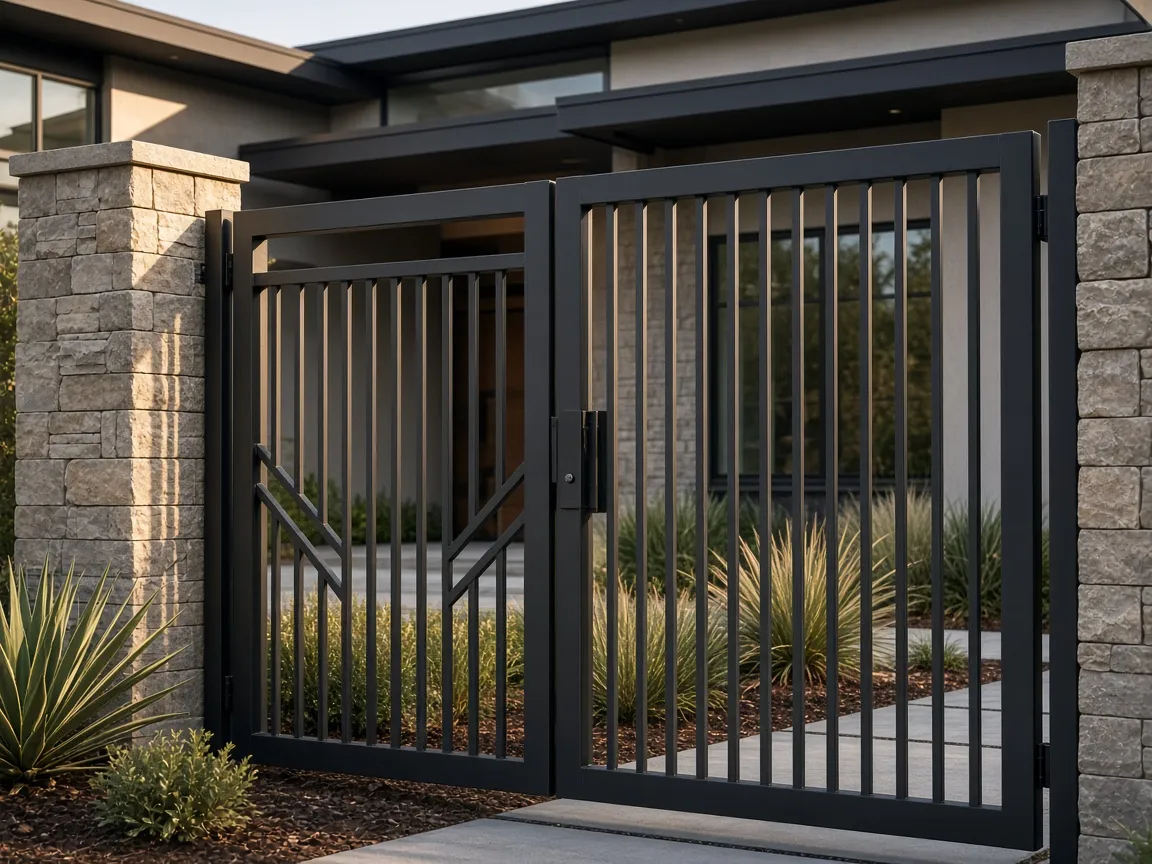
Fence & Gate Restoration
Restore existing metal fences, pedestrian gates, driveway gates, and decorative exterior metalwork.
-
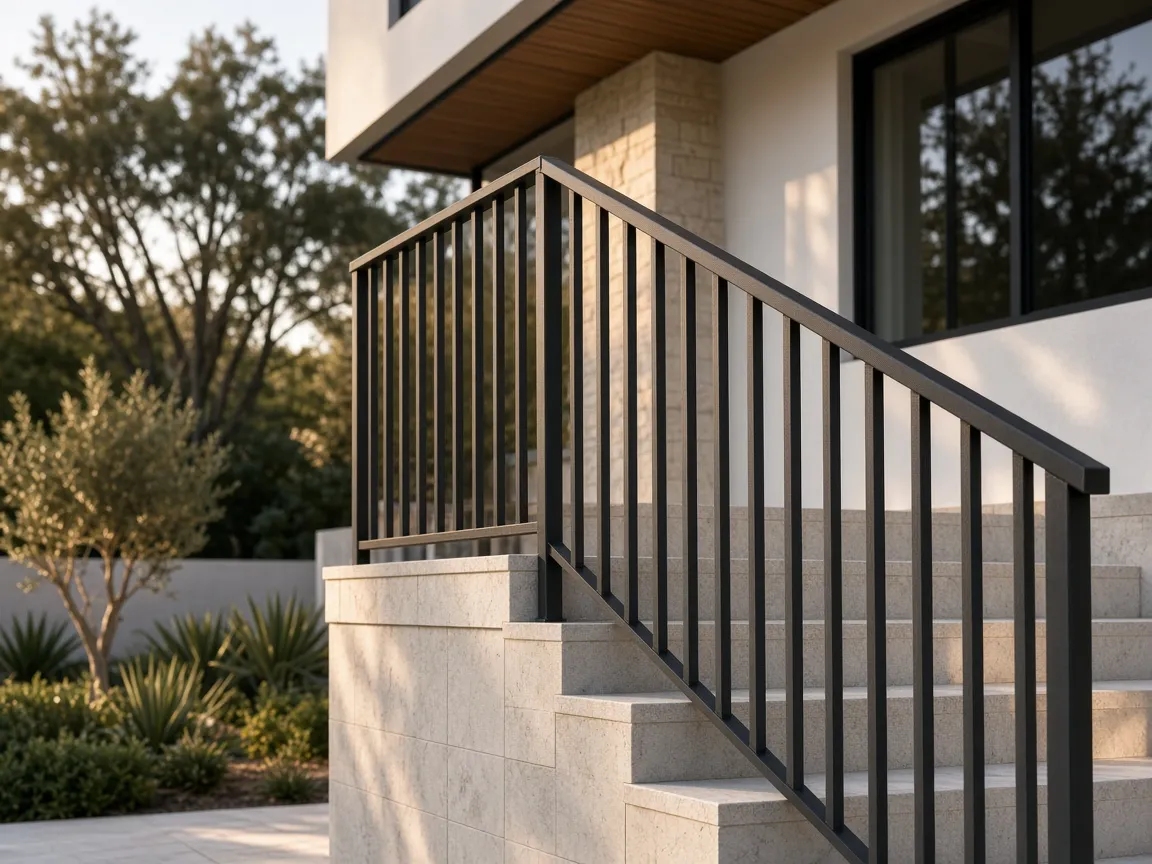
Railing & Handrail Restoration
Refresh exterior railings, handrails, balcony metalwork, and similar architectural features.
-
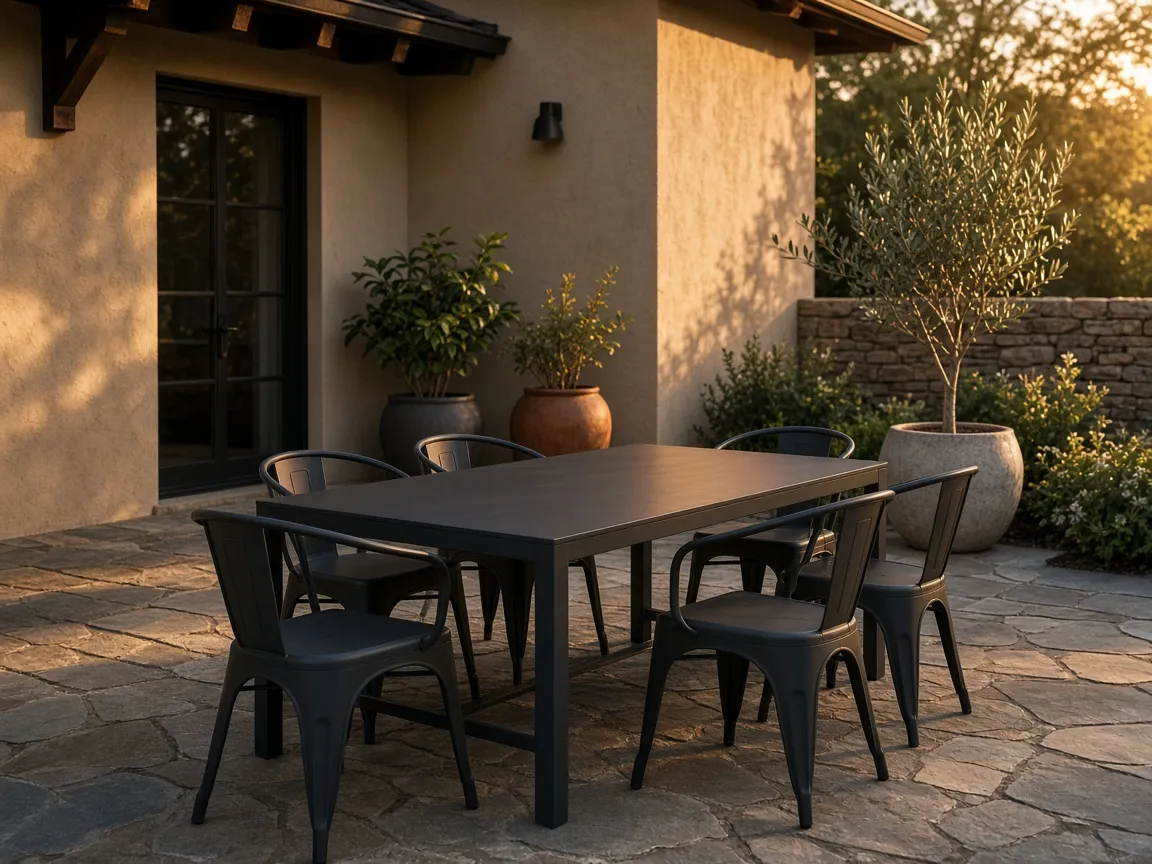
Outdoor Furniture Restoration
Refresh metal patio chairs, tables, benches, and other suitable outdoor pieces.
-
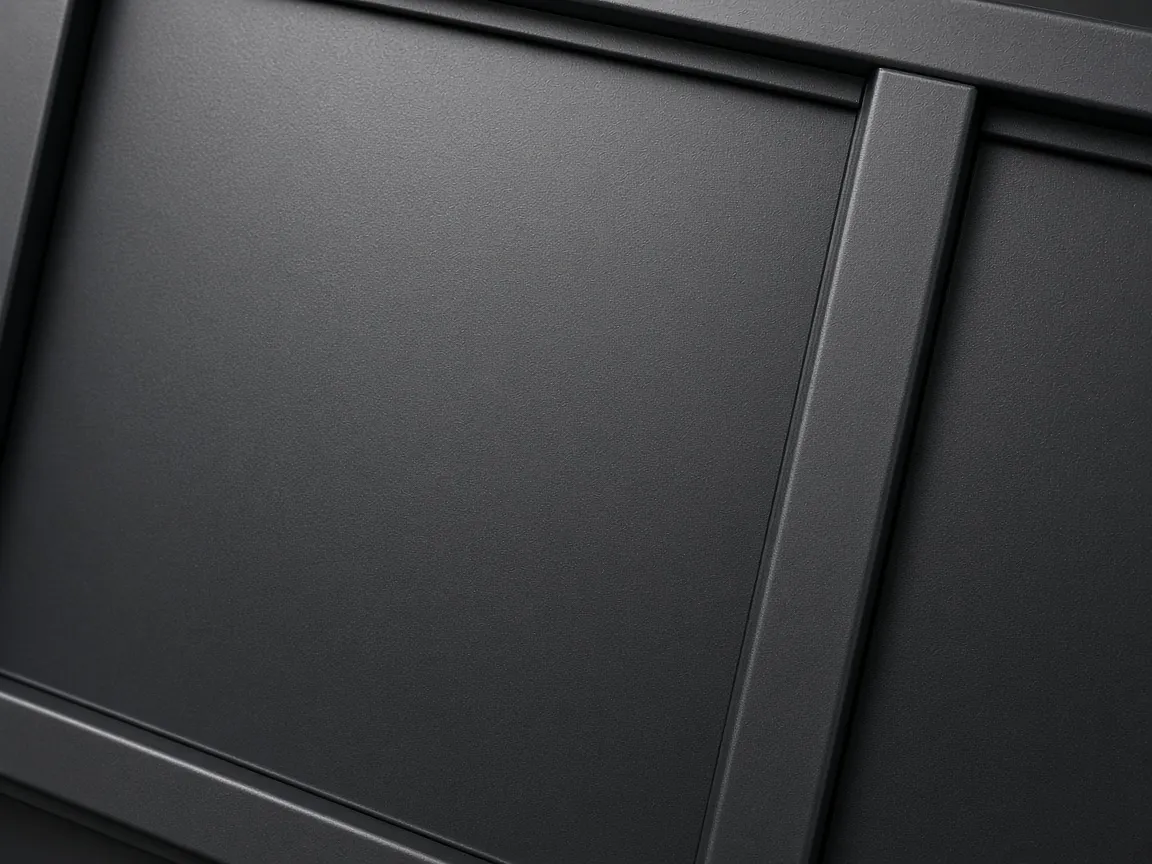
Metal Refinishing & Protective Coatings
Restore a consistent finish and help protect prepared metal from further outdoor exposure.
Project enquiry
Describe the corrosion you are seeing.
Describe the piece, where it sits, and what you are seeing. We will review whether restoration is a reasonable path before anyone commits to replacement.